
Leadership determines the outcome
Every day, organisations are hit by cyber attacks. AI-driven threat actors and increasingly sophisticated hybrid attack methods are accelerating both the frequency and the impact of these incidents.


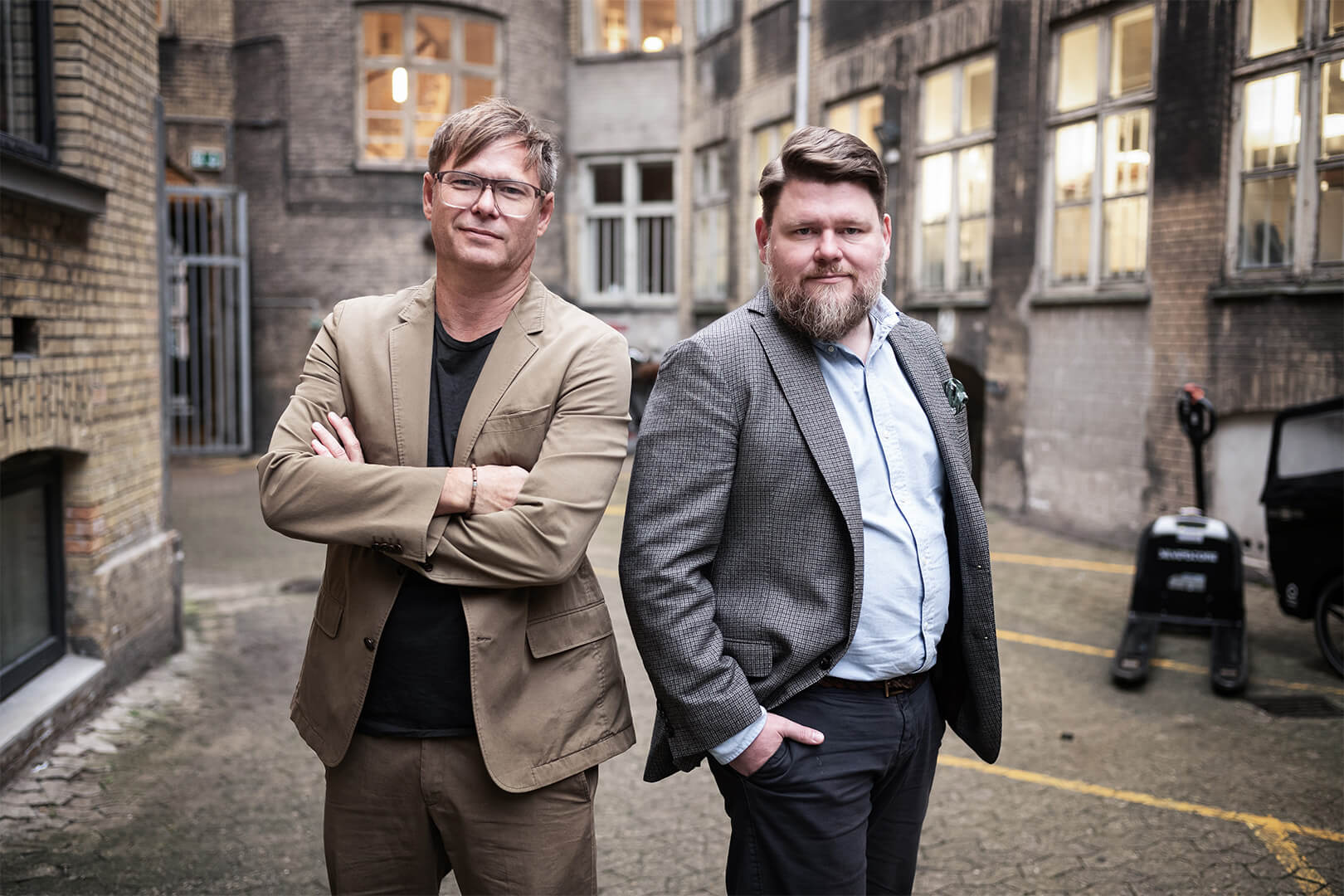
Organisations that train their leaders for cyber crises gain clarity under pressure, stronger decision-making, and proven readiness. Using insights from 100+ high-severity ransomware and cyber incidents, Delta and CSIS deliver realistic executive training led by senior advisors and certified negotiators.
This helps leadership make faster, aligned decisions that reduce downtime, financial loss, and reputational damage, while strengthening NIS2-aligned resilience. A cyber crisis is a leadership crisis – not an IT issue – so negotiation becomes risk and cost management, and time the most valuable currency you control.

Every day, organisations are hit by cyber attacks. AI-driven threat actors and increasingly sophisticated hybrid attack methods are accelerating both the frequency and the impact of these incidents.
Cyber threats are growing
57% of public institutions have experienced cyber attacks in the past year that directly disrupted daily operations.
21 days is the average downtime after a ransomware attack — without external expert assistance.
Organisations fail to act in time
Only 5% fully comply with NIS2 requirements
Cyber crises demand executive leadership, yet just 2% of C-suite teams train using realistic, learning-driven exercises.

In 2024 Klaksvik Municipality was hit by a malicious ransomware attack. As a result, the municipality’s administrative and back-office systems were taken down for almost two weeks.
Delta and CSIS supported the municipality throughout the incident, enabling leadership to regain situational control, analyse the attack, negotiate with the threat actors, and successfully recover stolen data reducing both financial and reputational damage.
This case is explained in more detail in a new book “En usynlig fjende”.

CSIS Security Group is a leading pure-play cybersecurity and threat intelligence company with 24/7 capabilities. Its experts specialise in Managed Detection & Response, Offensive Security, Incident Response, and Threat Intelligence.
CSIS helps organisations prevent, detect, and respond to advanced threats, strengthening cyber resilience and decision-making under pressure. CSIS is part of Allurity, one of Europe’s largest cybersecurity services groups.
Delta Crisis Management is one of the Nordic region’s leading specialists in cyber crisis management and negotiation with threat actors. Its advisors include professionals originally trained to negotiate under extreme pressure, including as hostage negotiators.
Delta supports executive leadership before, during, and after severe cyber incidents with one objective: ensuring leaders are prepared to act when pressure is highest. Drawing on experience from more than 100 ransomware cases, Delta helps organisations turn potential chaos into control. The Privilege of Preparedness.